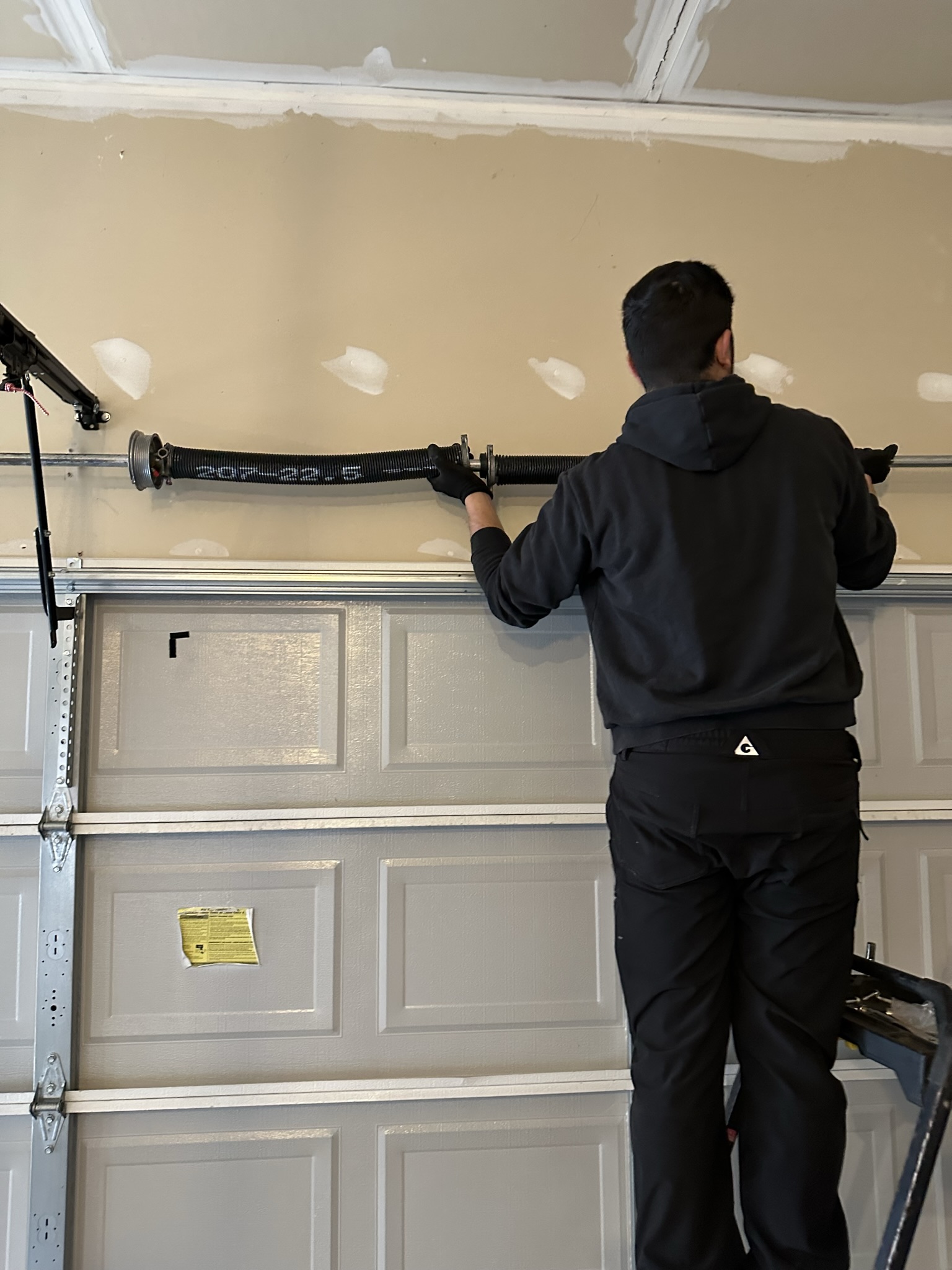
When you press the button on your garage door opener, and the door doesn’t budge, it’s easy to feel frustrated. A malfunctioning garage door can quickly disrupt your daily routine, and in many cases, the culprit is a broken garage door spring. These springs are essential components of your garage door system that allow it to open and close smoothly. When they fail, they can leave your garage door stuck, posing a security risk and a major inconvenience.
In this blog post, we’ll explore the causes behind garage door spring failures, how to recognize when it’s time for garage door spring replacement, and what you can do to prevent further damage. We’ll cover everything from torsion springs to the specifics of overhead door spring replacement. If you’re facing a broken garage door spring, this guide is for you.
Understanding Garage Door Springs
Before diving into the reasons why garage door springs break, it’s important to understand the different types of springs used in garage door systems. The two main types of garage door springs are torsion springs and extension springs.
Torsion Springs
Torsion springs are typically located above the garage door opening and are used to counterbalance the weight of the door. These springs are wound tightly and work by twisting, which provides the force needed to lift and lower the door. Torsion springs are considered the most reliable and durable of the two types.

Extension Springs
Extension springs, on the other hand, are placed on either side of the garage door and stretch along the tracks as the door is raised. These springs are less expensive than torsion springs but are also more prone to breaking due to the tension they experience during operation.
In most residential garage doors, torsion springs are more common because they offer smoother operation and longer life. However, regardless of the type of spring, both are susceptible to wear and tear and may eventually need to be replaced.

Why Do Garage Door Springs Break?
The lifespan of garage door springs depends on various factors, including the quality of the springs, how frequently the door is used, and environmental conditions. While springs are designed to last for many years, they will eventually wear out due to the stress and tension they endure. Let’s take a closer look at some of the common causes of garage door spring failure.
1. Wear and Tear Over Time
Like any mechanical component, garage door springs experience gradual wear and tear over time. Springs for overhead doors are under constant tension as they work to open and close the heavy door. Each time the door is operated, the springs are stretched and compressed, causing them to lose their elasticity.
Garage door springs are typically rated for a certain number of cycles (the number of times the door is opened and closed). Residential garage door spring replacement is often needed once this cycle count is exceeded, which can vary from about 10,000 to 20,000 cycles. If you have a busy household with frequent use of the garage door, your springs may wear out more quickly than expected.
2. Incorrect Installation
Improper installation is one of the leading causes of garage door spring failure. If the springs are not installed correctly or are misaligned, they may be subjected to excessive stress. Over time, this additional strain can cause the springs to break. A professional overhead door spring replacement service can ensure that the springs are correctly installed, helping prevent premature failure.
3. Corrosion and Rust
Garage door springs are often exposed to the elements, especially if your garage door is situated outside. Moisture, humidity, and extreme temperatures can cause the springs to rust and corrode. This deterioration weakens the metal, making it more susceptible to breaking under pressure.
To prevent corrosion, it’s important to regularly inspect and maintain your garage door system. Lubricating the springs with a silicone-based lubricant can help protect them from rust and extend their lifespan.
4. Improper Lubrication
While lubrication is necessary for keeping garage door springs in good condition, over-lubricating or using the wrong type of lubricant can cause more harm than good. When too much lubricant is applied, it can attract dust, dirt, and debris, which then cause additional friction on the springs. Conversely, using a petroleum-based lubricant can lead to the springs becoming brittle over time.
To maintain your garage door springs, it’s best to use a lubricant specifically designed for garage doors. Regular maintenance will ensure that your springs operate smoothly and efficiently.
5. Heavy Garage Door
A heavy garage door can put excessive stress on the springs, leading to premature wear. Over time, the added weight can cause the springs to break, especially if they are not properly rated for the door’s size and weight.
If you’ve recently installed a new garage door or added extra insulation, it’s a good idea to have the springs inspected to ensure they can handle the additional weight. Professional garage door experts can determine whether the springs are properly balanced for the door’s weight and make adjustments if necessary.
6. Sudden Impact or Shock
A sudden impact or shock can also cause garage door springs to break. For example, if the door is slammed shut, or if there is a heavy object that falls onto the door, the springs may experience a force they are not designed to withstand. This sudden shock can cause the springs to snap, leading to the need for garage door spring replacement.
7. Misalignment of the Garage Door
If the garage door is misaligned or off-track, it places extra strain on the springs as they try to lift and lower the door. This misalignment can occur if the door has been hit by a vehicle, or if the tracks themselves have become bent or damaged. Over time, the stress caused by this misalignment can cause the springs to wear out more quickly or break entirely.
If your garage door is making unusual noises, or if it’s not opening or closing smoothly, it may be a sign that the door is misaligned. In this case, it’s important to call a professional garage door repair service to diagnose and fix the issue before the springs break.
8. Poor Quality Springs
The quality of the springs used in your garage door system plays a significant role in their lifespan. Low-quality springs may break more easily, even with normal usage. If you’ve had your garage door springs replaced in the past, it’s possible that lower-quality springs were installed.
When having garage door spring replacement done, it’s crucial to ensure that high-quality, durable springs are used. Investing in quality springs will save you money in the long run by reducing the frequency of replacement.
9. Extreme Weather Conditions
Extreme weather, such as extreme heat or cold, can cause the metal in the springs to contract or expand, leading to the eventual breaking of the springs. The constant fluctuation in temperature can weaken the metal over time, making it more prone to failure.
In areas with extreme weather conditions, it’s especially important to perform regular garage door maintenance and inspection. A professional technician can help detect any potential issues before they become serious problems.

10. Lack of Maintenance
Just like any other part of your home, your garage door system needs regular maintenance to keep it running smoothly. Neglecting to inspect and maintain the springs can result in hidden issues that could lead to spring failure.
Routine maintenance, including lubrication, tightening of bolts and hardware, and checking for signs of wear, can help extend the lifespan of your garage door springs. If you are not comfortable performing maintenance yourself, it’s always a good idea to hire a professional to inspect the system annually.
How to Recognize When Your Garage Door Springs Need Replacement
Understanding when your garage door springs need to be replaced can save you time, money, and stress. Here are some signs that indicate your garage door springs may be on the brink of failure:
- The Door Won’t Open or Close:If your garage door isn’t moving at all, the most likely cause is a broken spring. If you have a torsion spring, you may hear a loud "bang" when it snaps. This sudden failure will prevent the door from opening or closing, leaving your garage inoperable.
- The Door Opens Slowly or Jerks:If the door opens slowly or moves in jerky motions, it could be a sign that the springs are losing their tension and are no longer operating as efficiently as they should. This issue should be addressed promptly to avoid causing further damage to the door or other components.
- Uneven Door Movement: If the door opens slowly or moves in jerky motions, it could be a sign that the springs are losing their tension and are no longer operating as efficiently as they should. This issue should be addressed promptly to avoid causing further damage to the door or other components.
- Visible Signs of Wear: If you notice visible signs of wear, such as rust, cracks, or gaps in the springs, it’s a clear indication that they need to be replaced. Don’t ignore these signs, as they can lead to a complete spring failure if left unchecked.
- Strange Noises: Unusual sounds such as squeaking, grinding, or popping noises can indicate that your garage door springs are wearing out or are under too much tension. These sounds are a warning sign that the springs are in need of replacement.
Garage Door Spring Replacement: DIY or Professional?
Replacing garage door springs can be a dangerous and complicated task. Springs are under a tremendous amount of tension, and attempting to replace them without proper tools and experience can result in serious injury or damage to the garage door.
While some homeowners may attempt to replace the springs themselves, it is highly recommended to hire a professional garage door technician for the job. A trained technician can safely perform the overhead door spring replacement, ensuring that the job is done correctly and that the door operates smoothly after the replacement.
Garage door springs are essential components that allow your garage door to operate smoothly and safely. However, due to constant wear and tear, improper maintenance, and environmental factors, they can break over time. Understanding the common causes of garage door spring failure can help you identify the problem early and take the necessary steps to prevent further damage.
If you notice any of the signs of a broken or worn-out spring, it’s important to act quickly and schedule garage door spring replacement. Whether you’re dealing with a torsion spring or extension springs, professional technicians can ensure that your door operates smoothly and safely for years to come.
Regular maintenance, including lubrication and inspection, can help extend the lifespan of your springs and reduce the likelihood of needing overhead door spring replacement in the future. By taking care of your garage door system, you can enjoy a reliable, hassle-free door for many years to come. For expert garage door services, contact A Team Garage Door at (248) 971-2376 today!